
National Standard for Radionuclide Activity
Metrology of radionuclide activity holds a unique position within the system of traceability and calibration of measuring instruments due to the technical challenges in realizing a materialized standard of the respective unit according to its definition.
Each radionuclide possesses unique decay characteristics, meaning that its standard is defined by a distinct set of analytical and instrumental parameters. While over 3,000 radionuclides are known, only a few dozen are industrially produced and utilized. Additionally, since radioactive decay occurs over time, the lifespan of all radioactive preparations is fundamentally limited, especially in the case of short-lived radionuclides.
Challenges in Radionuclide Activity Standardization
As a result of these factors:
- A universal radionuclide activity standard does not exist.
- No metrology institute likely possesses a complete set of standard radiation sources and instruments to fully meet even its own country’s needs.
- Establishing a radionuclide activity standard requires considering various societal, technical, and economic factors:
- Societal – Population size and density, legal regulations, availability of reference values, number of producers and users of radioactive materials.
- Technical – Types and quantities of radionuclides used, number and type of instruments for activity control, feasibility of implementing standards and reference instruments.
- Economic – Acquisition and operational costs, availability of human resources, and funding opportunities (public and private).
Function of the National Standard for Radionuclide Activity
The National Standard for Radionuclide Activity ensures accuracy and uniformity in measurements of this quantity. It is regularly involved in international comparisons to guarantee equivalence with measurements conducted abroad.
Components of the National Standard
The radionuclide activity standard consists of the following instruments:
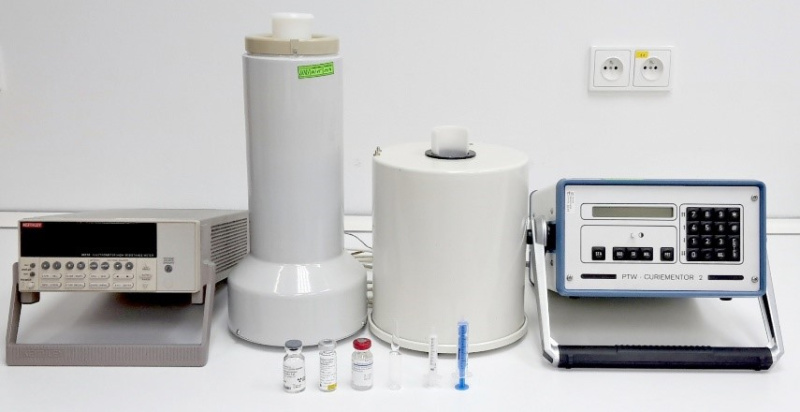
- 4π Well-Type Ionization Chamber – VacuTec type 70129 with a Keithley 6157A electrometer (Fig. 1).
- Coaxial Gamma Spectrometry Detector – HPGe detector, GC3018, with a LYNX multichannel analyzer.
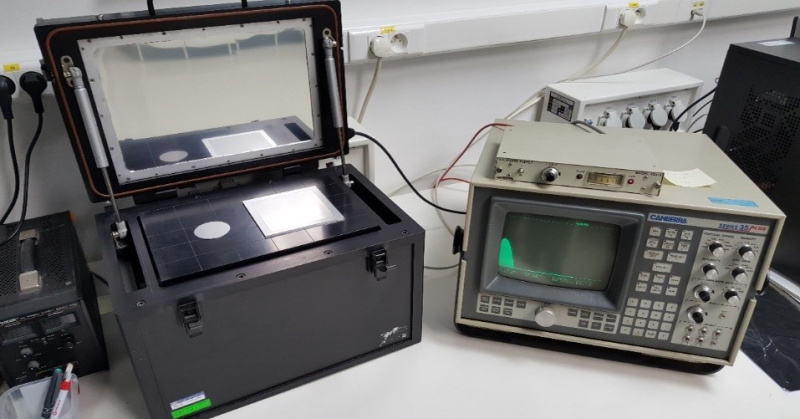
- Large-Area Activity Measurement Instrument – Designed for alpha and beta radiation using scintillation detectors (Thermo AP6A and BP17A) (Fig. 2).
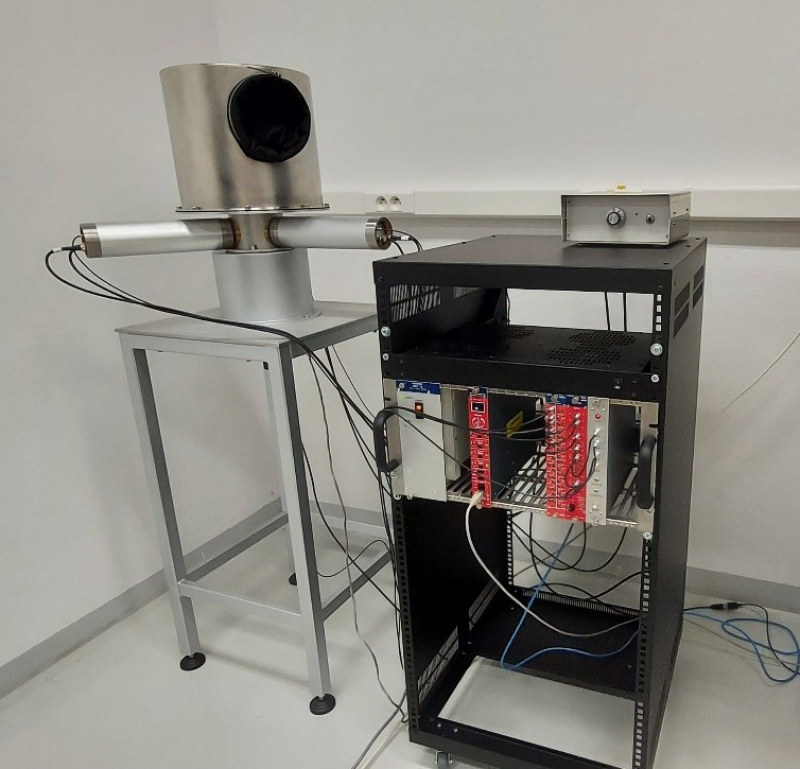
- Liquid Scintillation Spectrometer – TDCR-G (Fig. 3).
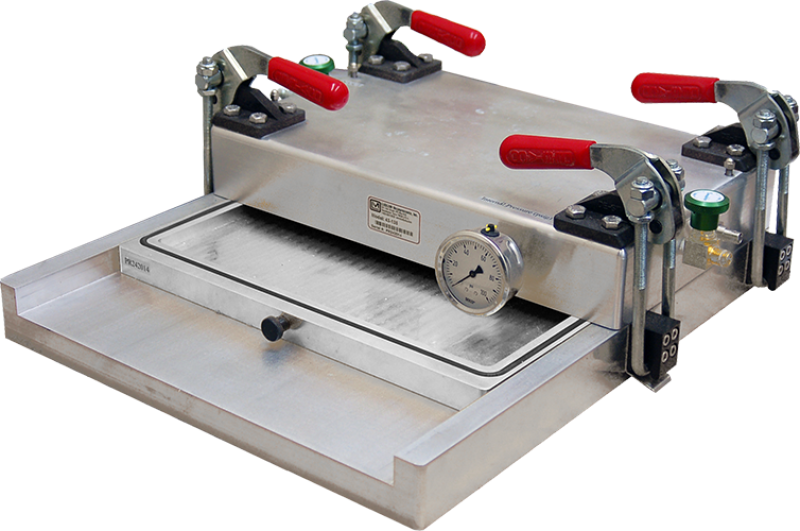
- Windowless Gas Proportional Detector – Used for surface emission measurements of alpha and beta particles (Fig. 4).
Documents for download
-
Osvedčenie (certifikát) (pdf, 1.5 MB)